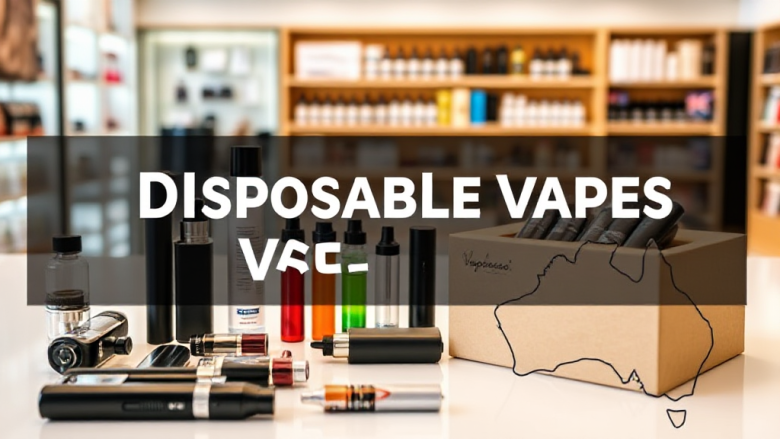
Disposable Vapes in Australia: How Online Shoppers Choose a Device
An adult vaper in Australia opens three browser tabs: one listing puff counts, one showing nicotine strengths, and one with a dozen flavour names in bright packaging. The specs sit side by side, but nothing tells them which number actually matters first. That is the quiet problem with shopping for vape australia online — the information is all there, just not in the order a buyer needs it.
This guide is written for adults comparing disposable devices before they order, not for anyone looking for a lecture on vaping. The goal is a simple decision map: which spec to check first, which second, and which details are mostly marketing noise. Once the order of questions is clear, the tabs close faster than they opened.
Start with the spec that decides everything else
Most online shoppers begin with flavour, because flavour is the fun part. A more practical first question is puff count, because it determines how long the device lasts, how bulky it feels in a pocket, and how much it costs per day of use. A 350-puff device and a 15,000-puff device are not really the same product category, even if they sit on the same web page.
Puff count also shapes the rest of the decision. A high-capacity device usually means a rechargeable battery, a larger body, and a higher upfront price. A low-capacity device is lighter, cheaper, and easier to carry as a backup. Neither is better in the abstract — they simply suit different habits. Someone who vapes occasionally will waste money on a 15,000-puff unit. Someone who vapes steadily all day will get frustrated replacing a 350-puff stick every few days.
A useful rule: estimate daily puffs honestly, multiply by seven, and let that number filter the catalogue before flavour ever enters the conversation. This single step removes most of the confusion that builds up across multiple tabs.
Compare device formats side by side
Once capacity is settled, the next comparison is format. Disposable devices in Australia generally fall into three practical shapes, and each one behaves differently in daily use.
Compact sticks. These are the smallest option — light, pocketable, and usually sold in multi-packs. They suit short sessions, travel, and buyers who like changing flavours often. The trade-off is frequent replacement and, in most cases, no recharging.
Rechargeable disposables. These keep the sealed, no-maintenance design but add a USB-C port so the battery can be topped up. Brands such as Iget vape Australia stock sit in this space, and it is the format most regular vapers land on because the device lasts until the e-liquid runs out rather than until the battery dies.
High-capacity units. These carry the largest puff counts, often with a small display or battery indicator. They are heavier, cost more, and reward buyers who already know their preferred flavour and nicotine level. They are a poor first purchase for someone still experimenting.
Comparing formats this way turns a wall of product photos into three clear lanes. The buyer picks a lane, then compares within it.
Nicotine strength, flavour, and brand: the remaining filters
With capacity and format chosen, the remaining filters are quicker to apply. Nicotine strength should be matched to what the buyer already uses — stepping up or down abruptly is the most common reason a device gets abandoned after one session. Buyers switching from another product should stay close to their current level rather than guessing at a higher one.
Flavour is where disposable vapes Australia catalogues get genuinely wide. A practical approach is to sort by flavour family first — fruit, menthol or ice, dessert, beverage, tobacco — and then pick a specific name. This avoids the trap of ordering ten variations of the same profile. Ice and menthol blends tend to taste stronger at higher nicotine levels, while dessert profiles often read sweeter, which matters if the device will be used all day.
Brand is the last filter, and it mostly functions as a quality signal. Established names such as HQD vape ranges, along with IGET, Geek Bar, and Vaporesso, are familiar to regular buyers because their puff counts and flavour descriptions tend to be consistent between batches. New buyers do not need to memorise a brand list — they need to check that the retailer describes the product accurately and stocks authentic units rather than vague lookalikes.
One more format worth knowing about is the alibarbar vape Australia style of larger, box-shaped device, which sits between a compact stick and a full high-capacity unit. It appeals to buyers who want more puffs than a stick offers without the bulk of the biggest devices. Recognising these format names makes it easier to read a product listing quickly instead of decoding marketing language.
A short checklist before adding to cart
Before checkout, run through a five-point check. It takes under a minute and prevents most disappointing orders.
1. Capacity matches habit. The puff count lines up with realistic daily use, not an optimistic guess.
2. Format suits routine. Compact for occasional use, rechargeable for daily use, high-capacity only for buyers who already know their flavour.
3. Nicotine level is familiar. Close to what the buyer currently uses, not a speculative jump.
4. Flavour family is decided. One or two profiles, not ten variations of the same thing.
5. Product details are specific. The listing names the brand, puff count, and nicotine strength clearly rather than relying on generic photos.
Buyers ordering in bulk should also check delivery terms before committing. Free shipping thresholds and multi-unit promotions can change the effective price per device significantly, so it is worth comparing the total cost of a larger order against several smaller ones rather than judging the sticker price of a single unit.
Ordering online: what to expect after checkout
Once the decision map is complete, ordering itself is straightforward. A reputable Australian online retailer will confirm stock, dispatch promptly, and provide tracking. Delivery time depends on location — metro addresses usually receive orders faster than regional ones — so buyers planning around a specific date should order with a buffer rather than on the day they run out.
It also helps to order slightly ahead of need. Disposables are consumables, and running dry mid-week is a worse outcome than keeping one spare unit in a drawer. Buyers who find a format and flavour they like often reorder the same combination rather than restarting the comparison process, which is exactly what the decision map is designed to make possible.
The three tabs from the opening scenario do not need to stay open. Capacity first, format second, then nicotine, flavour, and brand — in that order, most of the catalogue filters itself out. What remains is a short list of devices that actually fit how the buyer vapes, which is a far better position than choosing by packaging alone.