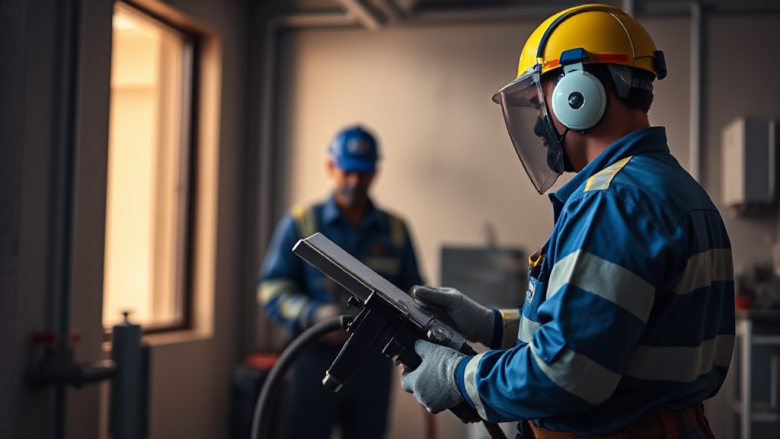
Before the Technician Arrives: What to Prepare for a Fast Visit
Most slow drain service visits are slow because of access, not because of the blockage. A crew that cannot reach the cleanout, cannot park, or cannot find the shutoff valve will spend more time negotiating the property than clearing the pipe. If you are booking a desentupidora Campo Largo team, a short preparation brief on your side is the difference between a 40-minute job and a two-hour one.
This guide is written for building managers and homeowners who want the visit to go smoothly. It covers the five things a technician needs from you in advance: clear access, water shutoff knowledge, parking, pet control, and a quick history of the problem. Each one has a practical reason behind it, and each one is easy to fix before the van pulls up.
Clear access to the cleanout, drain, or inspection point
The first thing a technician looks for is the cleanout — the capped access point where a rodding machine or hydro-jetting hose enters the line. In many Campo Largo homes and commercial buildings, that point sits behind stored boxes, under a removable floor panel, or inside a utility closet that has slowly become a storage room. If the crew has to move furniture before they can even inspect the line, the clock starts late.
Walk the property the day before the visit and confirm that every access point is reachable. That includes floor drains in laundry areas, the inspection chamber in the yard, and any grease trap lid in a commercial kitchen. Clear a working radius of about one meter around each point so the technician can kneel, open the cap, and set down equipment without shifting your belongings.
Why this matters more than the blockage itself
A blocked line is usually cleared in minutes once the equipment is in place. The delay comes from discovery: finding the right cleanout, confirming which drain connects to which line, and checking whether a previous renovation buried the access. If you can point to the cleanout and say what was done to the plumbing recently, you remove most of that discovery time.
If you genuinely do not know where the cleanout is, say so when you book. A desentupidora Campo Largo PR team can bring locating equipment, but they need to know in advance so the right tools arrive on the first trip.
Knowing where the water shutoff is and how it works
Any drain service carries a small risk of splash-back or a fixture that will not reseal immediately after the line is cleared. The technician may need to isolate the water supply quickly. If you are the person who knows where the register valve is, you save the crew from searching under sinks, behind panels, and in the street box while water is moving.
Before the visit, locate three things: the main shutoff for the building or house, the fixture shutoff for the affected sink or toilet, and the valve that controls any water-fed appliance near the blockage. Test that each one turns. A gate valve that has not been operated in years can seize, and a seized valve turns a simple clearing job into a plumbing repair.
What to tell the technician on arrival
Give a two-sentence summary: which fixture is backing up, and whether the shutoff works. If the affected drain is in a unit where the resident is not home, arrange access or a key contact in advance. Technicians cannot enter a unit without permission, and a locked door in the middle of a job is one of the most common reasons a visit stalls.
Parking and vehicle access for equipment-heavy vans
Drain service vehicles are not ordinary cars. A hydro-jetting truck or a van carrying a rodding machine and hose reel needs room to park close to the entry point, because the hose run has a practical limit and every extra meter adds friction and time. In dense Campo Largo streets, parking is often the real bottleneck.
Reserve a space before the visit. For a house, clear the driveway. For a condominium, ask the doorman to hold a visitor bay or open the service entrance. If the building has a loading zone, confirm the allowed hours so the van is not asked to move mid-job. Tell the dispatcher about any height restriction, narrow gate, or basement ramp the vehicle must pass.
Building access details worth confirming
- Gate codes, intercom instructions, and whether the doorman will be on duty.
- Elevator or service-lift availability for equipment, and any weight limits.
- Whether the technician needs an escort inside the building.
- Where the nearest electrical outlet is, if powered equipment will be used.
These details take two minutes to confirm by phone and can save a return visit. A crew that arrives to a locked gate or an unusable service lift will charge for the trip even if no work is done.
Pet control and safe zones during the service
Drain work involves open cleanouts, moving hoses, and sometimes strong odors. Pets react to strangers, noise, and the smell of an opened sewer line, and a frightened dog in a small yard can prevent the technician from reaching the cleanout at all. Secure pets in a closed room away from the work area before the crew arrives.
Keep the same rule for children and visitors. The work zone should be treated as a temporary hazard: wet floors, an open drain, and equipment that can start without warning. Ask the technician where the safe standing area is and keep everyone else behind it.
Ventilation and odor expectations
Opening a blocked line releases gas and smell. Open nearby windows and doors if the cleanout is indoors, and warn residents that the odor may linger for an hour or two. If the blockage is in a commercial kitchen or a restaurant, plan the visit outside service hours so the smell and the wet floor do not affect customers.
A short history of the problem and the property
The most useful thing you can hand a technician is context. When did the slow drain start? Is it one fixture or several? Did it follow a renovation, a heavy rain, or a change in how many people use the building? Has anyone tried a chemical drain cleaner? These answers point directly to the likely cause and the right method.
Chemical cleaners matter especially. If caustic or acidic products were poured into the line, the technician needs to know before handling the water or using certain equipment. Mention any previous rodding, hydro-jetting, or camera inspection, and whether a report was left behind. A desentupidora em Campo Largo PR crew can use that history to choose between mechanical clearing and high-pressure washing instead of guessing.
Have the paperwork ready
For condominiums and commercial sites, have the contact name, unit number, and any building rules for service providers ready at the door. If the property has a maintenance log, keep it accessible. A technician who can see the last three service dates will spot a recurring problem faster than one starting from zero.
Putting the preparation together the day before
Preparation is not a long checklist; it is a short one done at the right time. The day before the visit, clear the access points, test the shutoffs, reserve parking, confirm building entry, and write down the drain history. On the day, secure pets, open the route from door to cleanout, and have your contact number active.
Do this and the visit becomes what it should be: a technician arriving, finding the access, clearing the line, and leaving with a short explanation of what caused the blockage. The difference between a frustrating service call and a fast one is rarely the equipment. It is whether the property was ready when the van arrived.